Premium Products & Services
Discover our dynamic range of high-performance solar components tailored for your energy independence.
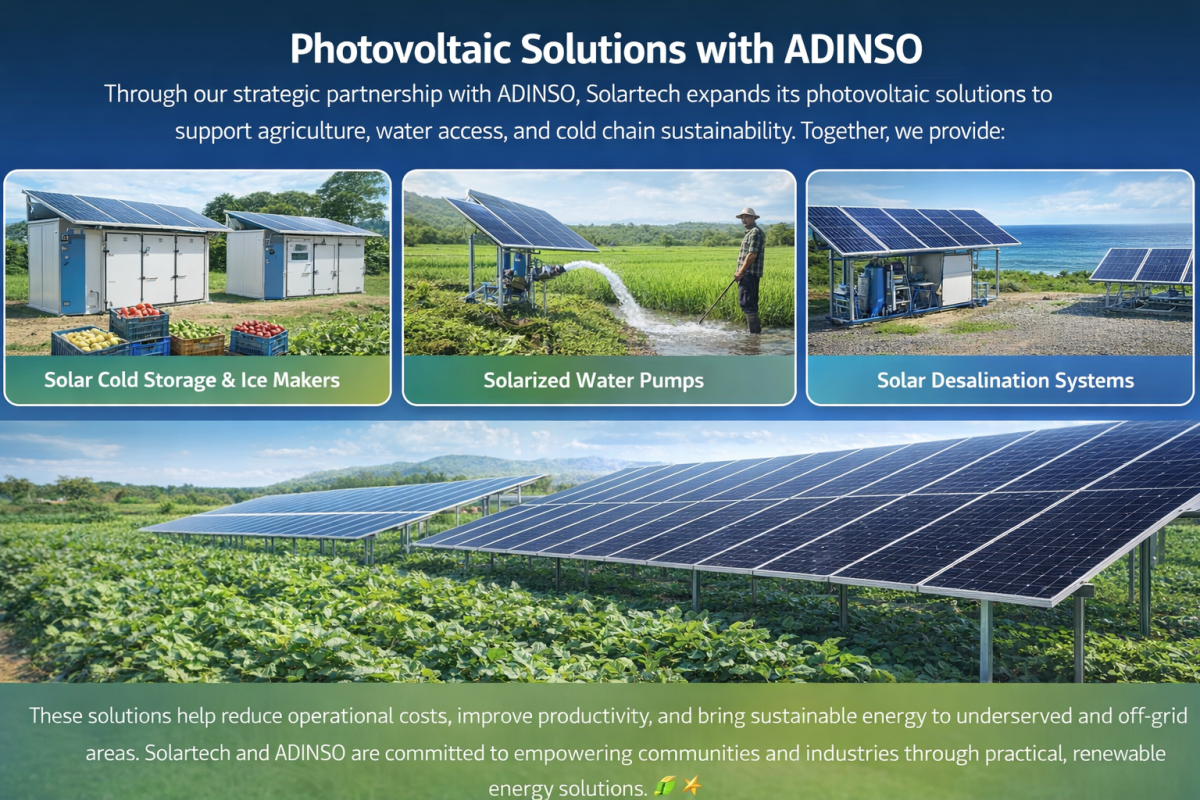
Photovoltaic Solutions with ADINSO
Through our strategic partnership with ADINSO, Solartech expands its photovoltaic solutions to support agriculture, water access, and cold chain sustainability. Together, we provide: Solar Cold Storage & Ice Makers – Reliable, off-grid cooling solutions for agriculture, fisheries, and food preservation Solarized Water Pumps – Efficient irrigation and water supply systems for farms and remote communities Solar Desalination Systems – Clean drinking water solutions powered entirely by solar energy Agri-Voltaic Solutions – Integrating solar power with agricultural productivity These solutions help reduce operational costs, improve productivity, and bring sustainable energy to underserved and off-grid areas. Solartech and ADINSO are committed to empowering communities and industries through practical, renewable energy solutions.
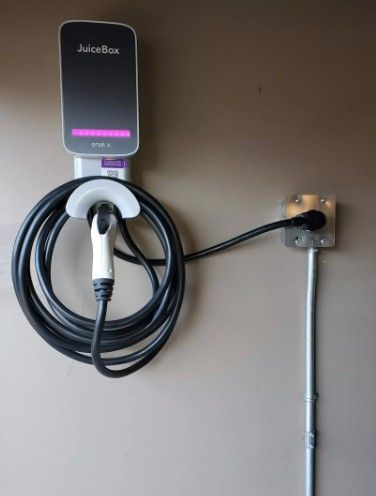
Solarized EV Charging Ports
Solartech Power Inc. delivers Solarized EV Charging Stations designed to power electric mobility with clean, renewable energy. Our integrated solutions combine solar photovoltaic systems, smart EV chargers, and battery energy storage to reduce electricity costs, improve energy reliability, and lower carbon emissions. Whether for commercial establishments, fleet operators, residential developments, or public charging hubs, Solartech provides end-to-end services — from site assessment and system design to installation, monitoring, and maintenance. With Solarized EV Charging, businesses and communities can power mobility sustainably while creating new revenue opportunities.
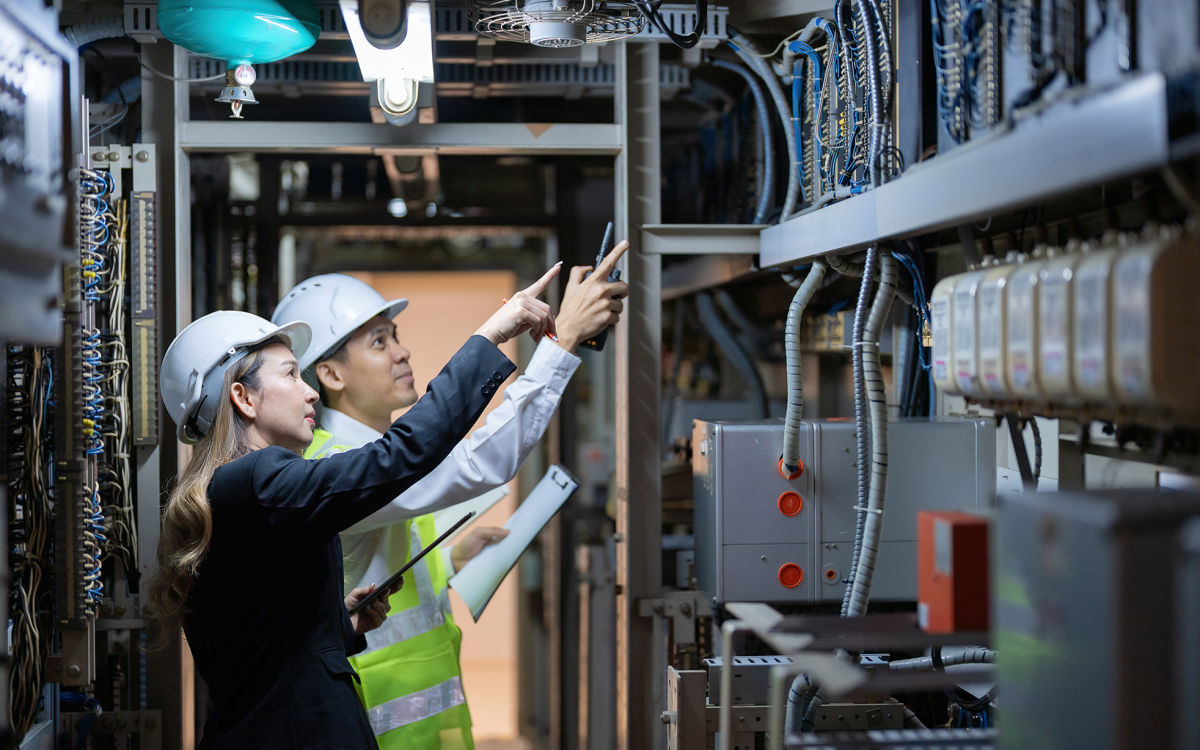
Industrial Net Metering
Industrial net metering is an energy program that allows factories and large facilities with solar power systems to export excess electricity to the grid in exchange for credits. This helps offset high energy consumption, significantly reducing operational costs while maximizing the return on solar investments. By balancing energy production and usage, industrial net metering supports efficient power management, enhances sustainability, and enables businesses to operate with greater energy independence and long-term cost stability.
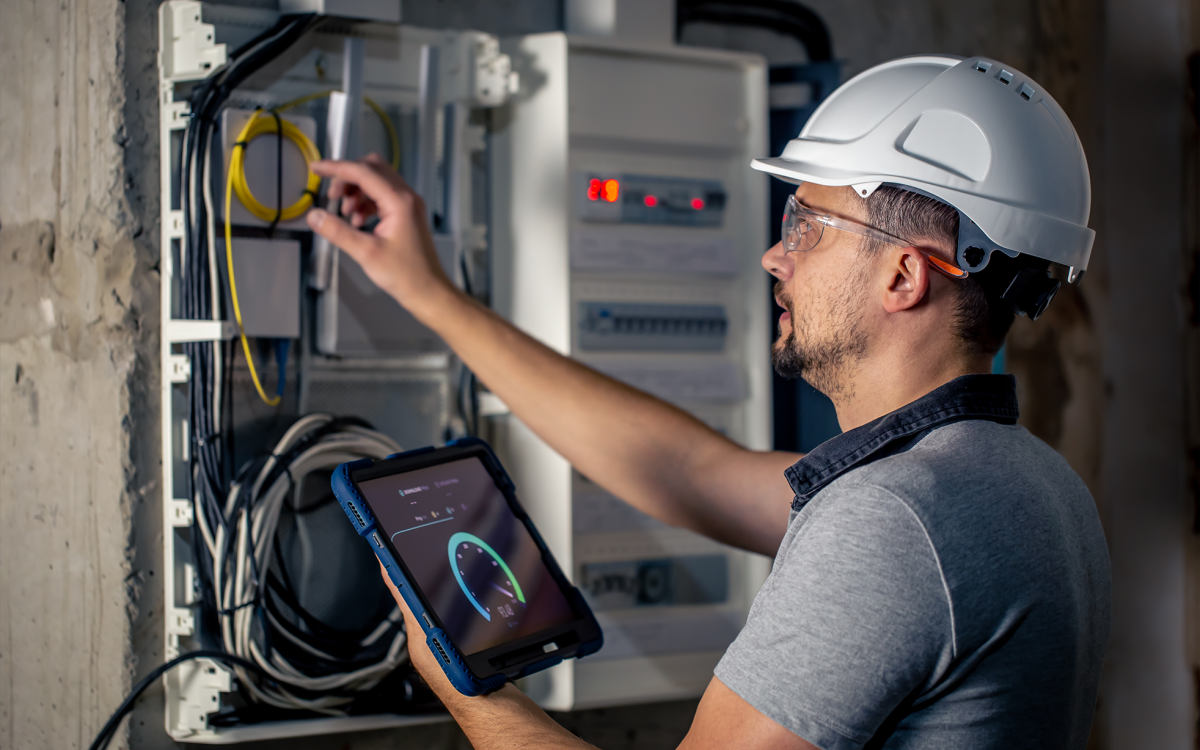
Residential Net Metering
Residential net metering is a system that allows homeowners with solar panels to send excess electricity they generate back to the grid in exchange for energy credits. This enables households to offset their electricity consumption, reducing monthly utility bills while maximizing the value of their solar investment. By balancing energy usage and production, net metering provides a cost-effective and sustainable solution that promotes clean energy adoption and greater energy independence.
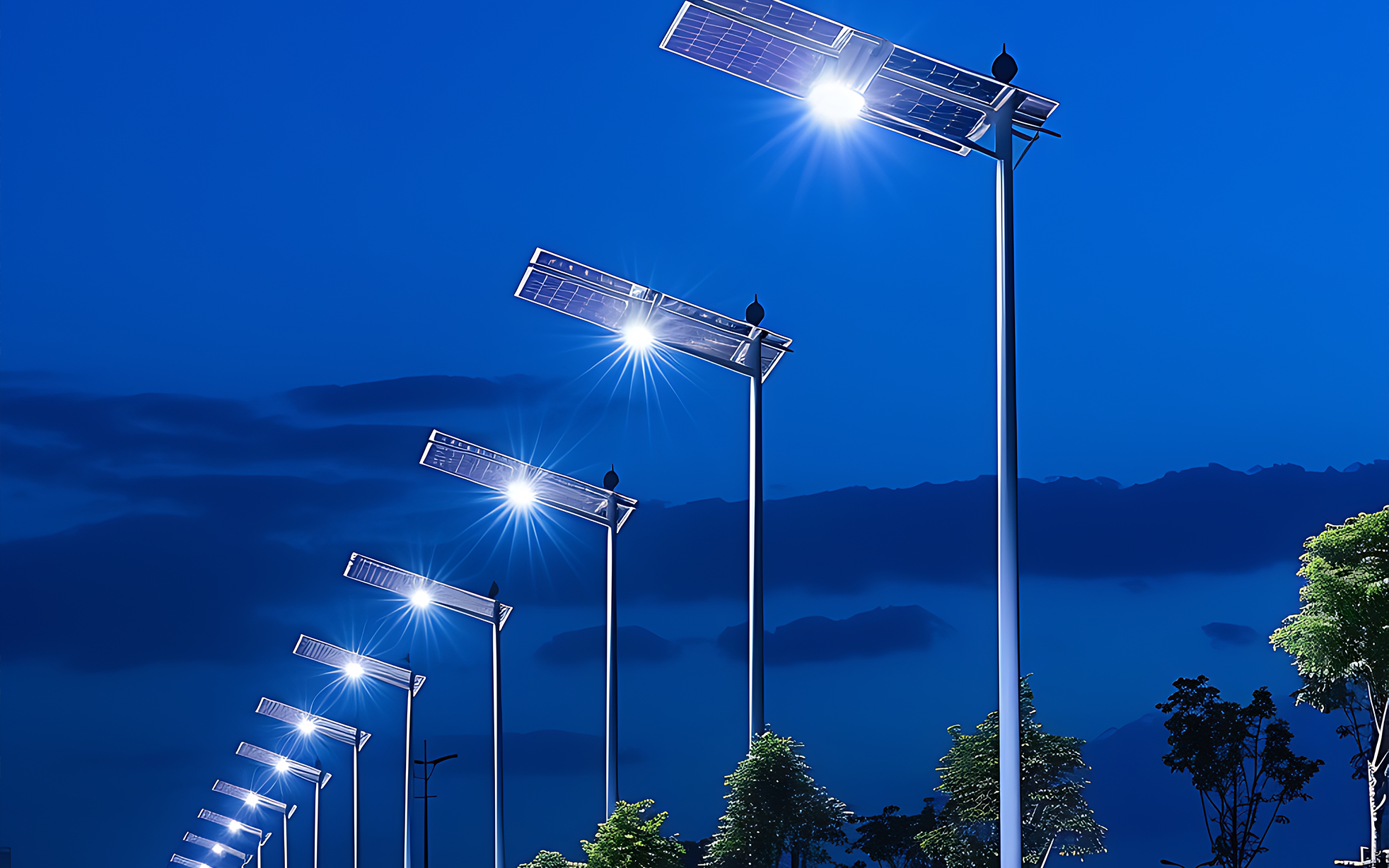
Solar Street Lights
Solar street lights are energy-efficient lighting systems powered by sunlight, designed to provide reliable illumination for roads, pathways, and public spaces without relying on the electrical grid. Equipped with solar panels, batteries, and LED fixtures, they automatically store energy during the day and light up at night. These systems offer a cost-effective and eco-friendly solution by reducing electricity expenses, lowering carbon emissions, and ensuring continuous lighting even in remote or off-grid areas.
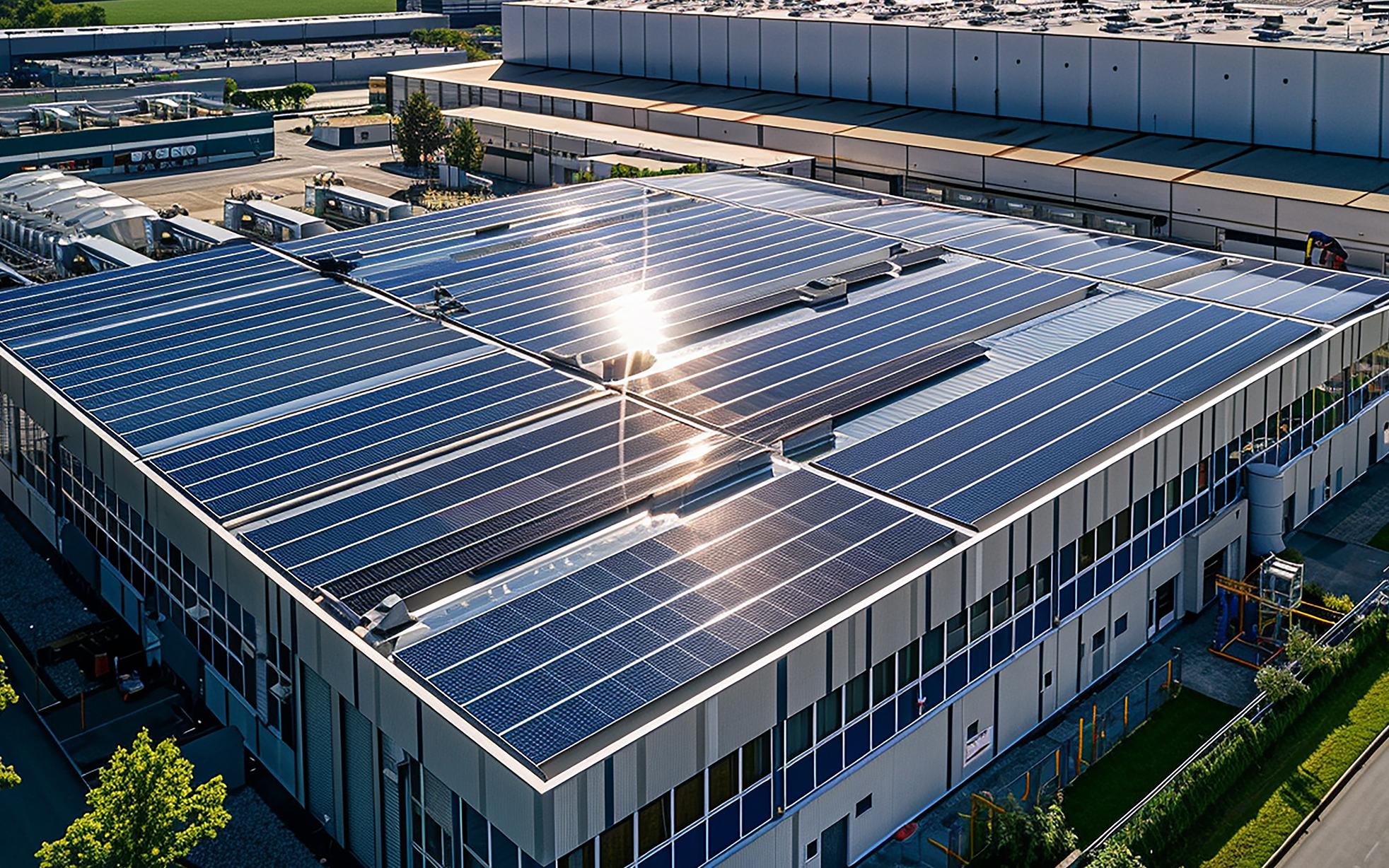
Factory PV hybrid, off grid, netmetering
A Factory Photovoltaic (PV) System is a solar energy solution designed to power industrial facilities by converting sunlight into electricity. It helps factories reduce energy costs, lower carbon emissions, and decrease reliance on traditional power sources. With reliable performance, low maintenance, and scalable design, it provides an efficient and sustainable way to meet high energy demands while supporting long-term operational and environmental goals.
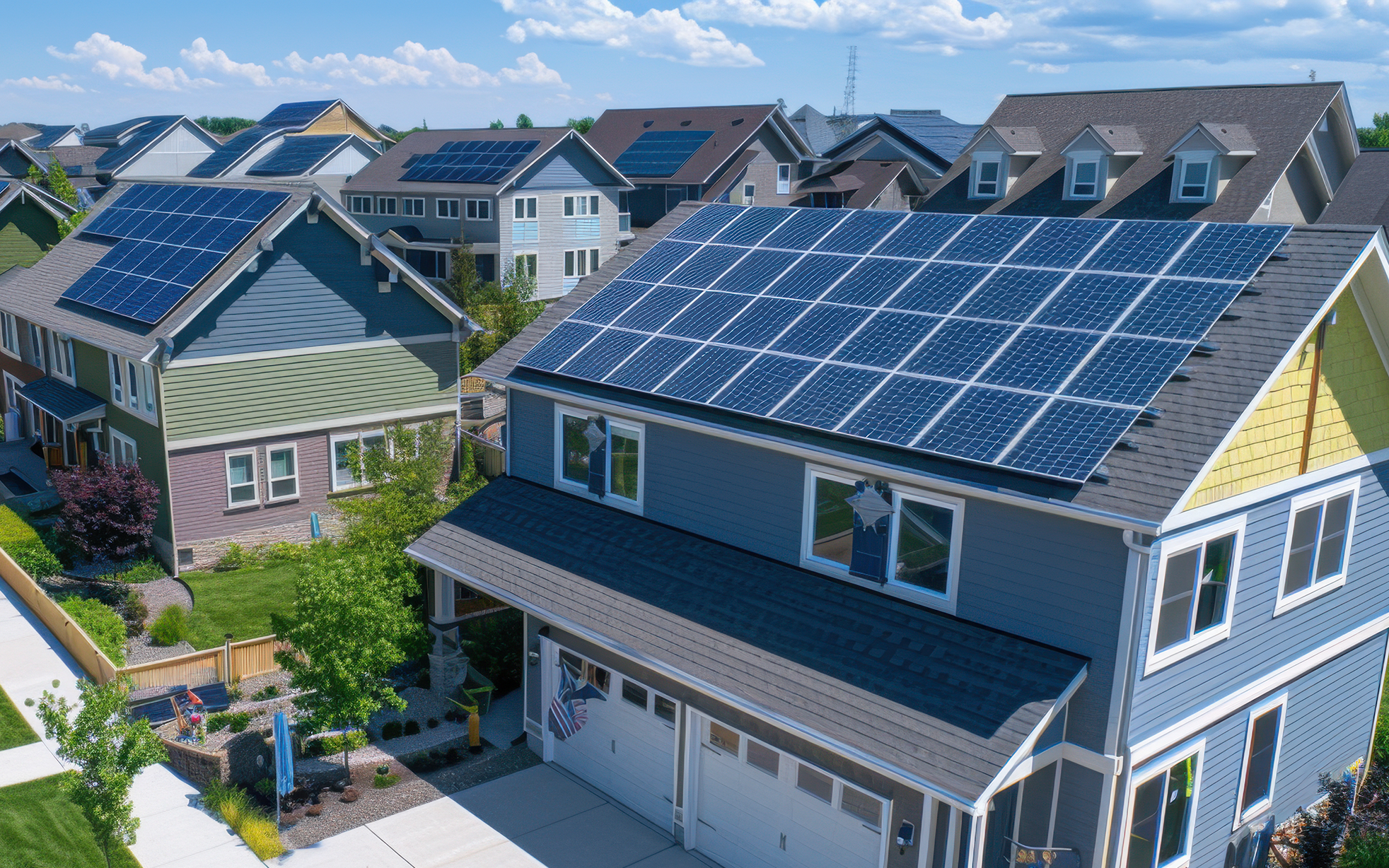
Residential PV on Grid and Hybrid
Residential Photovoltaic (PV) systems are rooftop or ground-mounted solar panels that convert sunlight into electricity, allowing homeowners to reduce utility bills, minimize carbon footprints, and achieve energy independence.
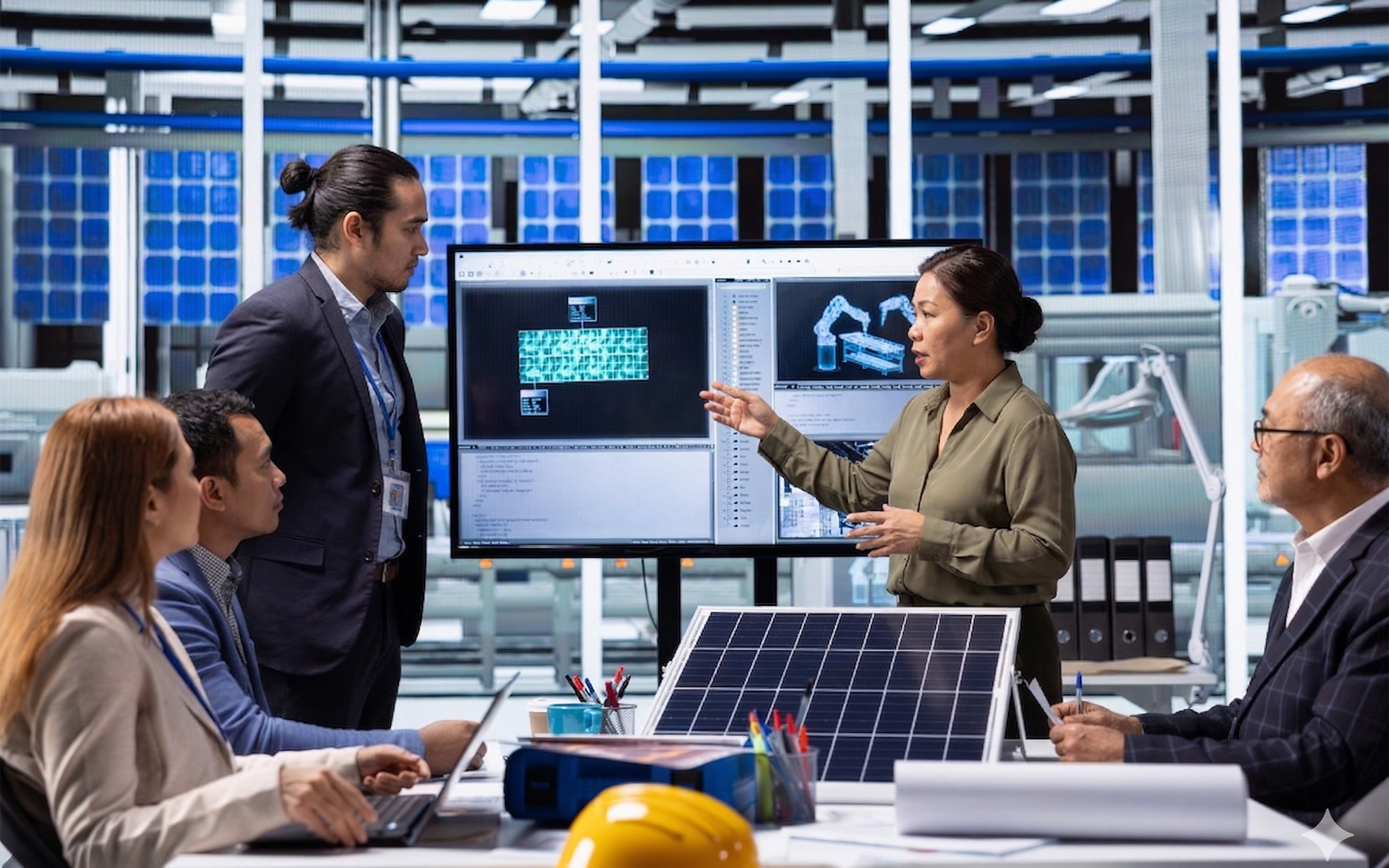
EPC
Technical design, system sizing, site assessments, and electrical layouts. Sourcing high-quality solar panels, inverters, mounting structures, and cabling. On-site installation, electrical wiring, grid connection, testing, and commissioning.